|
Why PPE Checks Matter Before Every Shift
15
Aug
Performing regular PPE checks shapes the rest of your workday. When you take a moment to inspect your gloves, footwear, workwear, hi-vis, lighting gear, and accessories, you make sure everything is ready to support you. Small issues turn into bigger problems when they’re ignored. A quick check helps you avoid delays, stay comfortable, and begin your shift with confidence.
Understanding the Purpose of PPE Checks
The primary goal of PPE checks is to confirm that every item you rely on can perform its job without failing. Your gear often deals with daily wear and stress, and even minor damage can affect safety. A small tear in a glove, a worn sole, or a loose strap may seem minor, but each creates a potential risk. Identifying these issues early lets you repair or replace what’s needed before it causes a problem.
PPE checks also support comfort and productivity. Damaged or poorly fitting gear distracts you and slows you down. A boot with weak support leads to fatigue. Workwear that restricts movement makes tasks harder. Flashlights that flicker break your focus. When your PPE fits properly and works as expected, you maintain a steady pace and avoid unnecessary strain.
Check the Condition of Your Gloves
Gloves are one of your most used pieces of PPE, so their condition matters. Inspect the palms and fingers for thinning, punctures, or worn patches. Smooth or worn-down grip surfaces make it harder to hold items securely and can affect your control. Examine the seams for loose stitching, which can split under pressure.
Fit is just as important as condition. Gloves that are too tight limit movement, while loose gloves catch on equipment or reduce dexterity. A quick check makes sure your hands stay protected and ready for the work ahead.
Inspect Your Footwear
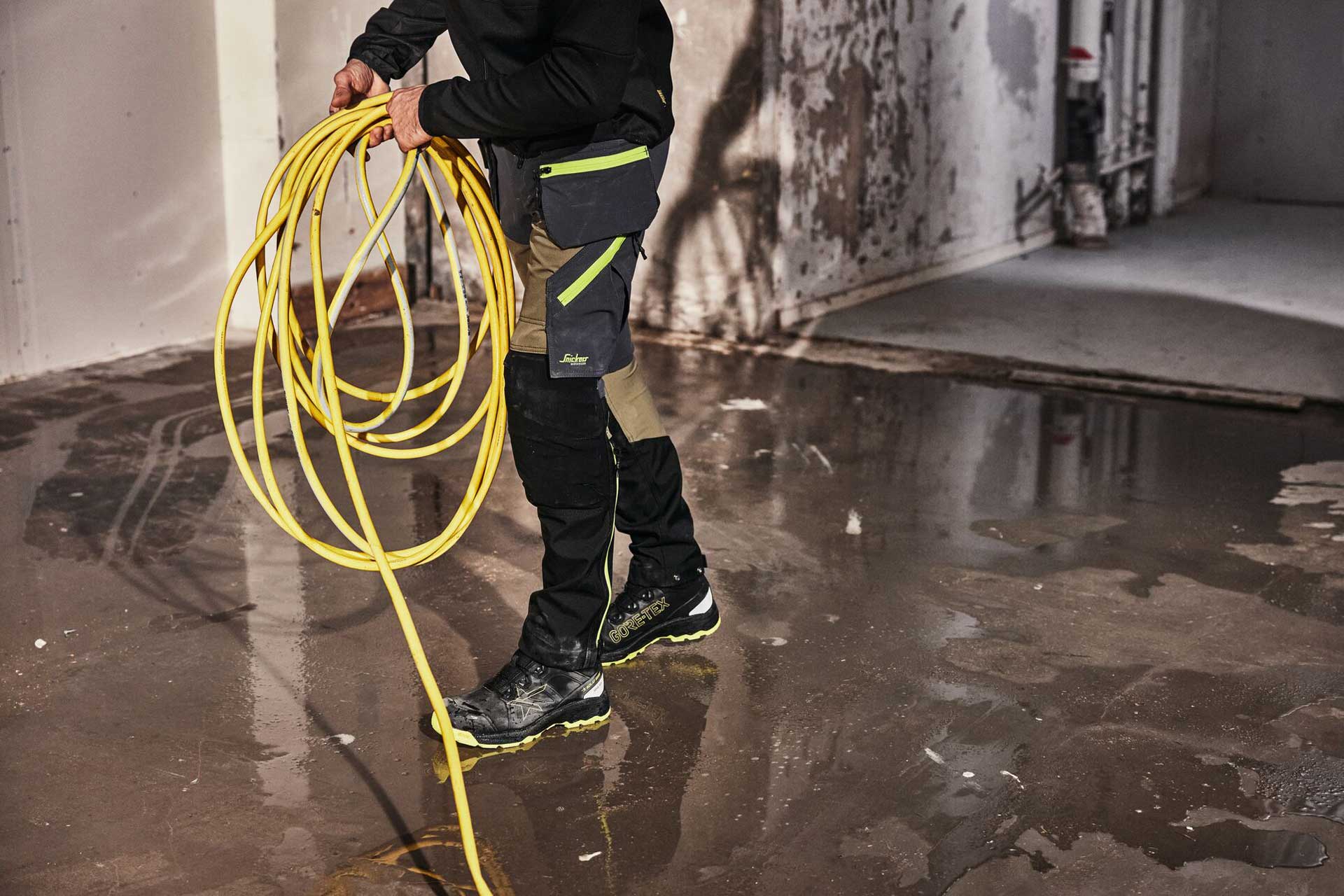
Footwear affects your stability and safety. Start by checking the soles for proper tread depth and grip. Worn tread increases the risk of slipping, especially on uneven or wet surfaces. Look for embedded debris that could affect balance.
Check the fastening system next. Ensure laces, zips, or buckles operate smoothly and stay secure. Test the interior for collapsed insoles or uneven padding. Footwear that no longer offers support leads to unnecessary fatigue and discomfort throughout the day.
Make Sure Your Workwear Is Ready
Workwear is your first layer of protection. Inspect trousers, jackets, and other garments for torn seams, frayed fabric, or worn areas. High-stress zones like knees, cuffs, and pockets deserve extra attention. Weak stitching fails during movement and needs to be addressed before you begin your day.
Fit plays a key role in how well you can move. Workwear should let you move freely without extra material slowing you down. Look over the cuffs and hems to make sure nothing drags or catches, which helps you avoid tripping.
Check Your High-Visibility Gear
Hi-vis clothing helps others see you clearly. Its effectiveness depends on brightness and reflectivity. Inspect your hi-vis garments for dirt, grease, or fading that reduces visibility. Clean or replace gear that looks dull or worn.
Focus on the reflective strips. They must remain clean and fully attached. Cracked or peeling strips reflect less light, reducing visibility in low-light areas. Making hi-vis part of your ppe checks keeps you noticeable and protected.
Check Your Flashlights and Lighting Gear
Lighting gear supports safe movement and precision work. Turn on your flashlights or headlamps before you start. The beam should be bright and stable. Flickering or weak light indicates failing batteries or damaged components.
Inspect the housing for cracks and make sure the battery compartment closes securely. If you use a headlamp, check the straps for proper tension. Reliable lighting prevents missteps and helps you work confidently in dark or enclosed spaces.
Secure Your Pouches, Straps, and Clips
Tool belts, pouches, and clips keep essential items within reach. Inspect stitching at connection points for signs of wear. Weak stitching or stretched loops create failure points that can lead to dropped tools.
Check the fastening systems. Clips and buckles must lock firmly and stay closed when you move. Once loaded, make sure the weight is distributed evenly. A secure and stable setup prevents strain and keeps your tools accessible.
Check Your Layers and Weather-Ready Gear
Weather influences comfort and safety. Inspect outerwear such as waterproof jackets, hoodies, and thermal layers. Check that zips open and close smoothly. Look at cuffs, hems, and seams for damage that could let in wind or water.
Choose layers based on expected conditions. Cold weather requires insulation. Wet conditions require waterproofing. Proper layering allows you to stay warm, dry, and focused, even when the weather shifts unexpectedly.
Scan the Work Area Before You Begin
Your work environment affects how safely you can perform your tasks. Scan the area for clutter, trip hazards, spills, or loose items. Clearing these hazards helps you move freely and reduces the risk of slips or falls.
Check lighting, airflow, and overall visibility. If an area feels too dark, cramped, or unventilated, adjust it before you begin. This step works alongside your PPE checks by ensuring your surroundings support your safety and comfort.
Final Thoughts on PPE Checks
PPE checks are a simple habit that has a strong impact on your day. When your gloves grip well, your boots feel stable, your workwear fits properly, your hi-vis stays bright, your lighting works, and your accessories stay secure, you work with more control. These checks reduce risk, prevent delays, and support a steady workflow. Making PPE checks part of your daily routine helps you stay safe, comfortable, and ready for whatever the day brings.
Comment(s)
Recent Posts
-
The Benefits of Lightweight Workwear for Long Days
 August 15, 2025
 -
Why PPE Checks Matter Before Every Shift
 August 15, 2025
 -
How Multi-Tools Help You Work Faster on Site
 August 15, 2025
 -
How to Choose the Right Work Trousers for the Job
 August 15, 2025
 -
Actionman New Blog!
 October 1, 2021