|
The Benefits of Lightweight Workwear for Long Days
15
Aug
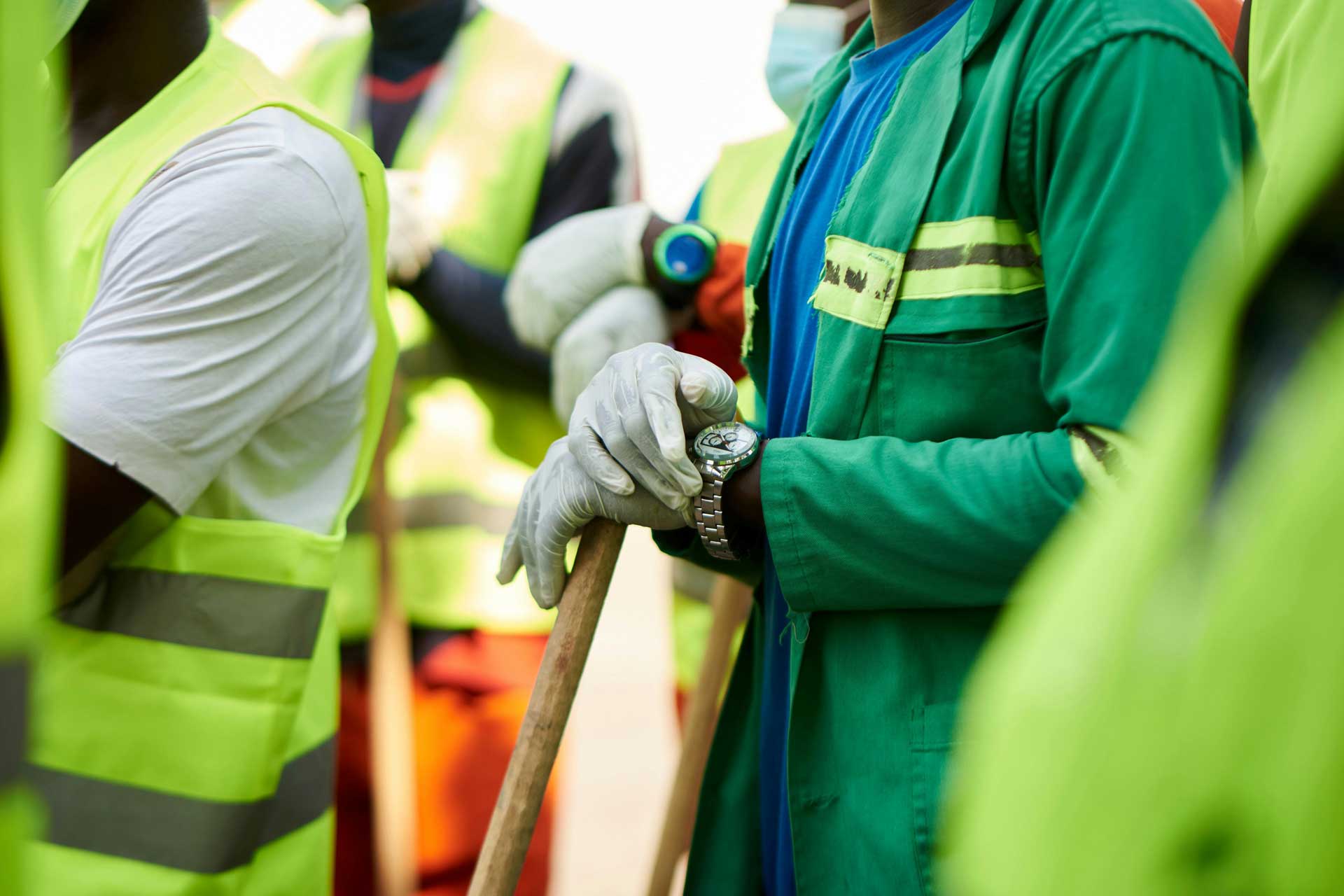
Long workdays put steady pressure on your body, so the clothing you wear matters more than you think. Heavy garments slow you down and add strain, while lighter options help you move comfortably and stay focused. Lightweight workwear provides protection without the unnecessary bulk, making long shifts easier on your body and improving the way you work from start to finish.
Why Lightweight Workwear Matters
Lightweight workwear improves comfort and efficiency by cutting down on the weight you carry throughout the day. Traditional work clothing often uses thick fabrics that trap heat and restrict movement. These materials hold up well, but they’re not easy to wear for long hours. Lightweight options solve this by using modern fabrics designed to protect you without creating extra bulk. They feel easier on the body and let you keep a steady pace.
Modern lightweight fabrics still offer strength. Synthetic blends and ripstop materials provide solid durability at a fraction of the weight. This means you stay protected while moving more naturally. Less physical strain helps you stay alert and consistent throughout your shift. The right clothing supports your work instead of slowing you down.
Improved Comfort Throughout the Day
Comfort matters when you spend hours on your feet. Lightweight workwear reduces friction and pressure points that heavier clothing often creates. Thick materials can rub and cause irritation over time, while lighter fabrics move more naturally with your body. This helps you stay focused on your tasks instead of small discomforts that build up during the day.
Lighter fabrics also tend to be softer and more flexible. They sit closer to the body without feeling restrictive and help you settle into your work more comfortably. With less bulk to manage, you move freely and stay comfortable in tight spaces or active environments.
Better Mobility and Flexibility
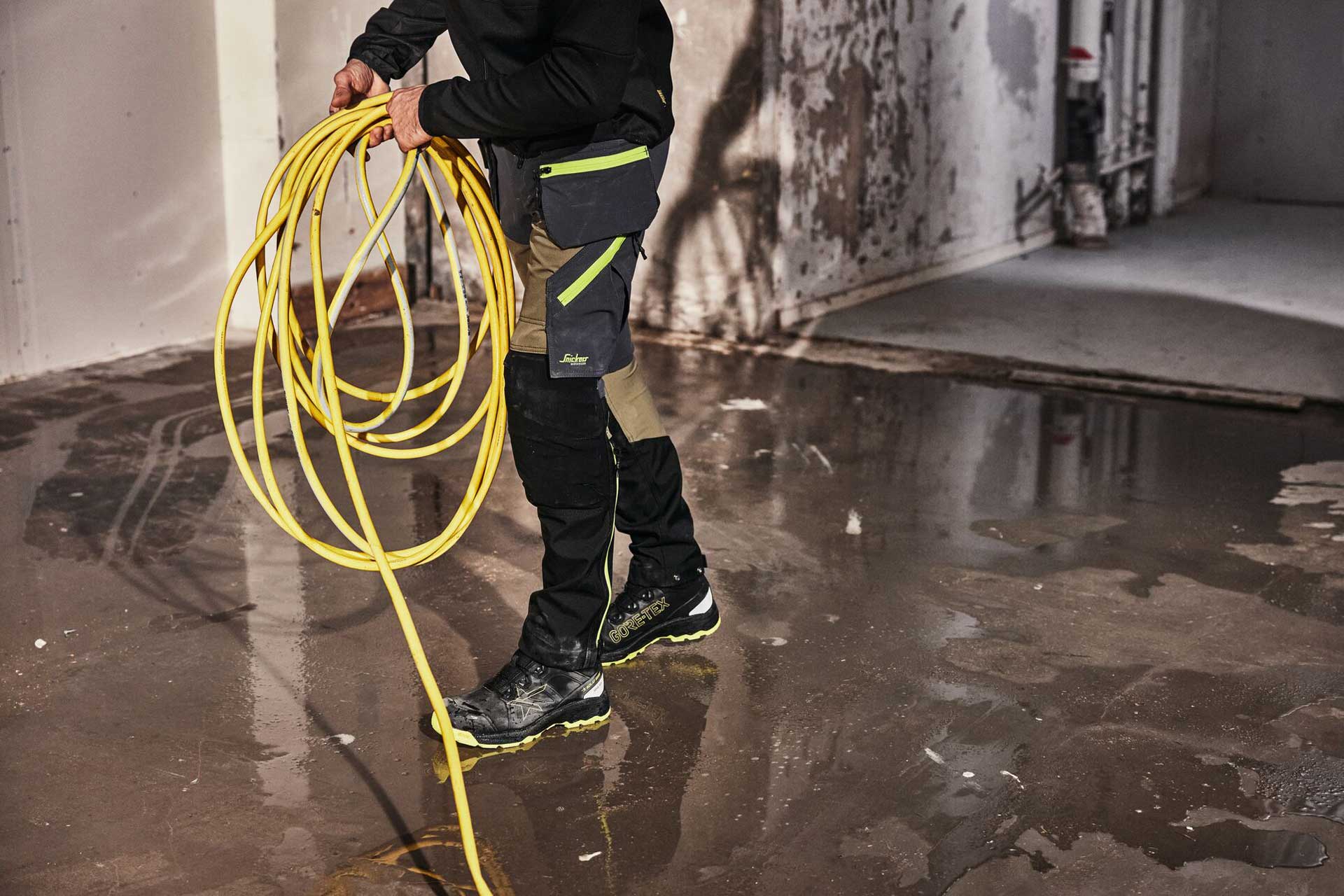
Lightweight workwear supports natural movement. The fabrics stretch easily or are cut in a way that helps you bend, reach, and climb without feeling restricted. Features like articulated knees or reinforced yet flexible panels help your clothing move with you rather than against you.
This extra mobility makes a difference when your tasks require agility. When your clothing lets you move freely, you avoid awkward positions that cause strain. You work faster, maintain better form, and stay more comfortable throughout long shifts.
Reduced Fatigue During Long Shifts
Even a small increase in clothing weight adds up when you wear it all day. Heavy garments require more effort to carry, and over long hours, that effort drains your energy. Lighter workwear reduces strain on your body and helps you maintain a steady pace through the day.
With less weight pulling on your shoulders or legs, your body uses energy more efficiently. You stay more alert and finish the day with less strain. This simple change improves endurance and keeps you working comfortably for longer periods.
Breathable Materials That Help You Stay Cool
Body temperature affects how well you work. Many lightweight garments use breathable fabrics that allow air to circulate and help the body cool itself. The materials pull moisture off your skin and dry quickly, stopping heat from building up during physical tasks.
When clothing traps heat and moisture, your body works harder to stay cool. This leads to fatigue, dehydration, and discomfort. Breathable, lightweight workwear helps manage heat more effectively, keeping you cooler, drier, and more comfortable in warm or active conditions.
Weather-Ready Options for Different Conditions
Lightweight workwear isn’t only for warm weather. Modern designs include options for all seasons. Thin insulated jackets, fleece layers, and thermal tops provide warmth without heavy bulk. These can be layered easily, giving you control over your comfort as conditions change during the day.
For wet conditions, lightweight waterproof and water-resistant materials offer strong protection without trapping heat. These fabrics block rain while allowing moisture to escape, preventing that damp, uncomfortable feeling that slower-drying coats create. With the right combination of lightweight layers, you can work comfortably in almost any weather.
Practical Features Without Added Bulk
Good workwear includes the features you need without weighing you down. Lightweight designs use strong but thin materials to add pockets, loops, and reinforced areas. These features are positioned for convenience and integrated without adding unnecessary weight.
You still get easy access to tools and secure storage without the bulky feel of older workwear styles. This balance of function and comfort helps you stay organised and keeps your movements smooth.
Choosing the Right Lightweight Workwear
When choosing lightweight workwear, consider the kind of tasks you handle and the conditions you usually work in. Look for fabrics that balance durability with low weight. Reinforced areas and strong stitching help your clothing handle daily tasks without adding bulk.
Fit is important. Your clothing should let you move freely without feeling tight or oversized. Choose layers that work well together, like a moisture-managing base layer, a comfortable mid-layer, and a protective outer layer. A smart combination helps you stay comfortable throughout the year.
Final Thoughts on Lightweight Workwear
Lightweight workwear makes long days easier by improving comfort, mobility, and overall performance. When your clothing moves with you instead of slowing you down, you stay focused, productive, and comfortable throughout the day. Choosing lighter options is a simple way to work more comfortably and maintain energy from start to finish.
Comment(s)
Recent Posts
-
The Benefits of Lightweight Workwear for Long Days
 August 15, 2025
 -
Why PPE Checks Matter Before Every Shift
 August 15, 2025
 -
How Multi-Tools Help You Work Faster on Site
 August 15, 2025
 -
How to Choose the Right Work Trousers for the Job
 August 15, 2025
 -
Actionman New Blog!
 October 1, 2021